Enneagram Stress & Self-Care: Type Responses & Strategies
Feeling overwhelmed? In a world that constantly demands our attention, stress can feel like an unavoidable part of life. But what if you had a personalized map to navigate its challenges? The Enneagram offers profound insights into your unique stress patterns and provides tailored strategies for building resilience. Understanding your Enneagram type transforms how you handle stress. Instead of reacting impulsively, you’ll build proactive well-being strategies aligned with your core motivations.
But what is my unique stress response? This is a question many of us ask. The Enneagram provides a clear framework for understanding not just who you are, but how you react when pressure mounts. It reveals the hidden patterns that drive your behavior, giving you the power to choose a healthier response. This journey begins with discovering your core personality type.
This guide will walk you through how each of the nine Enneagram types experiences stress and offer practical, type-specific self-care strategies. If you don't know your type yet, the first step is to take our free test to get the most out of these insights.

Understanding Enneagram Stress: What It Looks Like for Each Type
Stress isn't a one-size-fits-all experience. How a Type 8 confronts a challenge is vastly different from how a Type 9 avoids it. The Enneagram reveals these differences via a dynamic framework. It maps how personality shifts under pressure—exactly when self-awareness matters most.
The Enneagram Disintegration Path: Your Stress Blueprint
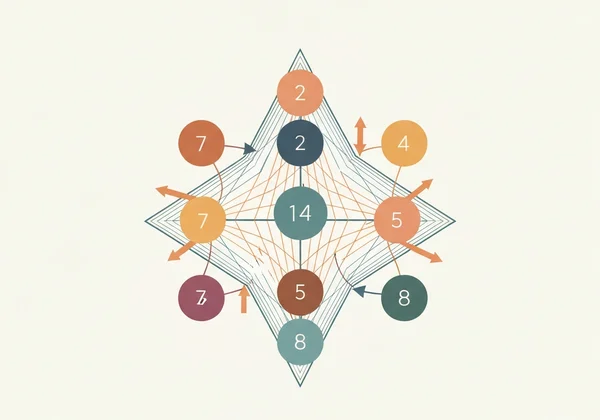
As Don Riso notes in The Wisdom of the Enneagram, stress responses are not random; they reveal our deepest imbalances. Prolonged stress makes us act out of character. The Enneagram calls this shift 'disintegration'—a sign your coping tools need renewal. This path of disintegration, or "stress arrow," is a key concept you can explore in our Comprehensive Guide to Enneagram Stress Arrows. Each type has a specific direction they move towards when they feel overwhelmed, unconsciously adopting the unhealthy traits of another Enneagram type.
For example, the typically calm and easygoing Type 9 might suddenly become anxious and worried, taking on the negative qualities of a Type 6. Recognizing this shift is the first step toward regaining control. It's a signal from your inner self that your usual coping mechanisms are exhausted and you need a different approach.
Common Stress Triggers & Warning Signs for Enneagram Types
While everyone experiences stress, the triggers are often type-specific. Understanding what sets you off is crucial for prevention.
- For the Gut Triad (Types 8, 9, 1): Stress often arises from feeling a loss of control, injustice, or inner conflict. Warning signs include increased anger, stubbornness, or rigid perfectionism.
- For the Heart Triad (Types 2, 3, 4): Stress is frequently tied to image, validation, and relationships. It can manifest as feeling unappreciated, like a failure, or misunderstood, leading to emotional outbursts or withdrawal.
- For the Head Triad (Types 5, 6, 7): Stress stems from anxiety about the future, feeling unsupported, or being overwhelmed. Warning signs include analysis paralysis, excessive worrying, or frantic, scattered activity.
Knowing your triggers allows you to build a life that minimizes unnecessary stress and develop healthy coping skills for when it's unavoidable.
Type-Specific Self-Care & Coping Strategies for Each Enneagram Type
True self-care goes beyond bubble baths and meditation. It’s about understanding what your core personality truly needs to feel balanced and secure. Here are practical strategies tailored for each of the nine Enneagram types.

Enneagram Type 1: The Reformer's Path to Inner Peace
Under stress, Type 1s move toward the unhealthy side of Type 4, becoming moody, withdrawn, and feeling that no one understands their high standards.
- Acknowledge "Good Enough": Your inner critic is your biggest stressor. Practice self-compassion by intentionally accepting tasks or situations as "good enough" instead of perfect.
- Engage Your Body: Perfectionism creates physical tension. Release it through activities like yoga, going for a run, or even just stretching for five minutes.
- Schedule Unstructured Fun: All work and no play makes the Reformer rigid. Block out time in your calendar for spontaneous, purely enjoyable activities with no goal other than to have fun.
Enneagram Type 2: The Helper's Nurturing Rituals
When stressed, Type 2s disintegrate toward the aggressive side of Type 8, becoming controlling and demanding about having their own needs met.
- Practice Saying "No": Your desire to help is beautiful, but burnout is real. Practice saying "no" to small requests to build the muscle for bigger ones.
- Identify Your Own Needs: Take five minutes each day to ask yourself, "What do I need right now?" Write it down and give yourself permission to meet that need without guilt.
- Receive Graciously: Allow others to help you. When someone offers support, accept it without deflecting. This reinforces that you're worthy of care, too.
Enneagram Type 3: The Achiever's Strategies for Unwinding
A stressed-out Type 3 takes on the apathetic traits of an unhealthy Type 9, disengaging from their goals and mindlessly scrolling or binge-watching to numb out.
- Celebrate the Process, Not Just the Win: Your worth isn't defined by your last achievement. Acknowledge the hard work and effort you put in, regardless of the outcome.
- Connect with Your True Feelings: Journal or talk to a trusted friend about how you really feel, beyond the polished image you present to the world.
- Engage in a Hobby for Fun: Find an activity with zero potential for professional gain. Play an instrument, garden, or paint simply for the joy of it.
Enneagram Type 4: The Individualist's Creative Release
Stress sends Type 4s into the clinging, over-involved state of an unhealthy Type 2. They may become overly dependent on others for validation and support.
- Channel Feelings into Creation: Don't just dwell in your emotions—transform them. Write a poem, paint a picture, or create a playlist that expresses your inner world. You can also explore how Type 4s Express Creativity.
- Practice Grounding Techniques: When emotions feel overwhelming, bring yourself back to the present moment. Focus on your five senses: what do you see, hear, smell, taste, and feel right now?
- Appreciate the Ordinary: Find beauty in the simple, everyday moments. Make a gratitude list that focuses on small, tangible things, like the warmth of a cup of tea.
Enneagram Type 5: The Investigator's Recharge Plan
Under stress, Type 5s move to the unhealthy side of Type 7, becoming scattered, hyperactive, and jumping from one distracting activity to another without focus.
- Schedule Solitude: Protect your energy by scheduling non-negotiable alone time to recharge your mental batteries.
- Connect with Your Body: Thinking is your superpower, but stress lives in the body. Engage in physical activities like walking in nature or mindful breathing to get out of your head.
- Share One Idea: Instead of endlessly researching, choose one insight and share it with a trusted friend. This helps you move from hoarding knowledge to connecting through it.
Enneagram Type 6: The Loyalist's Path to Calm
When stressed, Type 6s adopt the competitive, arrogant behaviors of an unhealthy Type 3, masking their anxiety with a facade of confidence and workaholism.
- Trust Your Inner Authority: Your mind constantly plays out worst-case scenarios. Practice making small decisions without seeking outside reassurance to build self-trust.
- Limit Information Overload: Constant news updates and social media scrolling fuel anxiety. Set specific times to check in, then unplug. Learn more about managing Type 6 anxiety.
- Practice Mindful Breathing: When anxiety spikes, focus on your breath. A simple box-breathing exercise (inhale for 4, hold for 4, exhale for 4, hold for 4) can calm your nervous system.
Enneagram Type 7: The Enthusiast's Guide to Grounding
Stress causes Type 7s to disintegrate toward the critical, perfectionistic side of Type 1. They become judgmental of themselves and others, and the fun drains away.
- Embrace JOMO (Joy of Missing Out): You can't do everything. Instead of fearing you'll miss out, find joy in committing fully to one or two activities you truly care about.
- Finish What You Start: Pick one small project—a book, a puzzle, an online course—and see it through to completion. This combats the tendency to scatter your energy.
- Sit with Your Feelings: Avoid the temptation to distract yourself from discomfort. Allow yourself to feel sadness or boredom for a few minutes without immediately seeking an escape.
Enneagram Type 8: The Challenger's Cool-Down Tactics
A stressed Type 8 moves to the withdrawn, secretive state of an unhealthy Type 5. They isolate themselves, hoarding resources and cutting off from others to avoid feeling vulnerable.
- Practice Vulnerability in Small Doses: Share a small concern or feeling with someone you trust completely. This builds the muscle for deeper connection.
- Notice Your Physical Intensity: Your energy can be overwhelming. Pay attention to your body language and tone of voice. Are you leaning in too aggressively? Soften your posture.
- Channel Energy Productively: Engage in intense physical exercise to release pent-up energy in a healthy way. This helps prevent emotional explosions.
Enneagram Type 9: The Peacemaker's Activation Plan
Under stress, Type 9s take on the anxious, worried traits of an unhealthy Type 6. They become indecisive, overwhelmed by what-ifs, and lose their inner sense of peace.
- Identify One Priority: When everything feels important, you can get stuck. Ask yourself: "What is the one thing that matters most right now?" and take a single, small step in that direction.
- Create a Routine: Simple daily routines can provide a sense of structure and momentum, helping you overcome inertia.
- State Your Opinion: Practice asserting your preferences in low-stakes situations. Start with what you want for dinner or what movie you'd like to watch. Your voice matters.
Building Enneagram Stress Resilience: Long-Term Well-Being Strategies
Managing stress isn't just about immediate relief; it's about building long-term resilience. The Enneagram provides a roadmap for this growth, showing us how to move toward our healthiest selves.
Harnessing Your Integration Path: Moving Towards Health
The opposite of your stress path is your growth path, or "path of integration." This is where you consciously adopt the healthy qualities of another Enneagram type to create balance. For example, the critical Type 1 finds growth by embracing the spontaneity and joy of a healthy Type 7. Understanding this path provides a clear direction for personal development. Learn how to apply your type's growth paths to daily life for greater stress resilience.

Mindful Practices for All Enneagram Types Under Stress
While type-specific advice is powerful, some practices benefit everyone. Mindfulness, journaling, and spending time in nature can help all types quiet their inner turmoil and reconnect with their authentic selves. The key is to find a practice that resonates with you and to approach it with curiosity rather than judgment.
When to Seek Professional Support: Recognizing Your Limits
The Enneagram is an incredible tool for self-awareness, but it's not a substitute for professional mental health care. If you're experiencing chronic stress, anxiety, or depression that interferes with your daily life, please seek support from a qualified therapist or counselor. Knowing when to ask for help is a sign of strength and self-respect.
Empower Your Well-being: Your Enneagram Path to Stress Resilience
Understanding your Enneagram type's response to stress is the first and most powerful step toward managing it. It moves you from confusion to clarity, allowing you to respond with intention instead of reacting on autopilot. You learn to recognize your personal warning signs and apply the self-care that will truly replenish you.
This knowledge isn't just theoretical; it's a practical tool for a more balanced and fulfilling life. When you know your patterns, you can break them. You can build resilience, foster healthier relationships, and unlock your true potential.
What if your Enneagram type held the key to stress resilience? Discover your personalized path forward. Take our free test today to identify your Enneagram type and receive foundational insights. For those seeking a deeper dive, our optional AI-powered reports offer a hyper-personalized analysis of your stress triggers and a tailored action plan for lasting growth.
Enneagram Stress & Self-Care
What is the difference between Enneagram and MBTI for personal growth?
While both are valuable personality systems, they focus on different aspects. The MBTI (Myers-Briggs Type Indicator) describes how you think and process information—your cognitive functions. Unlike other systems, the Enneagram digs into the why behind your stress reactions—your deepest fears and desires. This makes it uniquely powerful for growth because it offers a clear path toward health (integration).
How accurate is the Enneagram test for identifying stress patterns?
The accuracy of any personality test depends on your self-awareness and honesty. A well-designed Enneagram test is highly effective at pointing you toward your likely core type. Once your type is identified, the Enneagram system provides a remarkably precise and insightful map of your specific stress triggers and behavioral patterns. The true validation comes from reading your type's description and feeling a deep sense of recognition.
What are the 9 types of Enneagram and their core motivations?
The nine types are: Type 1 (The Reformer), Type 2 (The Helper), Type 3 (The Achiever), Type 4 (The Individualist), Type 5 (The Investigator), Type 6 (The Loyalist), Type 7 (The Enthusiast), Type 8 (The Challenger), and Type 9 (The Peacemaker). Each is driven by a unique core desire (e.g., to be good, to be loved, to be valuable) and a core fear (e.g., of being corrupt, of being unwanted, of being worthless).
How do I find my Enneagram type accurately for personalized insights?
The best way to start is with a comprehensive, well-researched online assessment. Our free Enneagram test is designed to help you explore your preferences and motivations to determine your most likely type. After getting your result, read the full descriptions of your top-scoring types. The type that resonates most deeply—especially in its description of your core fears and motivations—is likely your correct type.
Is it worth paying for an Enneagram test for deeper insights into stress and growth?
While a free test provides your core type, a premium, in-depth report can be a game-changer for growth. At Enneagramtest.me, our optional AI-Personalized Report goes beyond the basics to give you a unique analysis of your wings, stress/growth paths, and how your type manifests in daily life. It provides a tailored, actionable growth plan specifically designed to help you manage your unique enneagram stress and unlock your potential, making it a valuable investment in your well-being.